Who are Mauritians?
Understand Mauritian identity through migration, shared language and living culture, with heritage places to include in your visit.
- Understand
- Identity, history and language
- Historical places
- Aapravasi Ghat and Le Morne
- Language evidence
- 2022 Population Census
In this guide
Mauritians are the people of Mauritius. Their family histories connect the island to Africa, Madagascar, India, China and Europe, while their shared home has created a culture of its own. Nationality, ancestry, language and religion tell different parts of that story. None is a reliable shortcut to knowing a person.
How settlement and migration shaped the island
Mauritius had no established human population before colonial settlement. The Dutch attempted a settlement in 1638. French occupation followed in the eighteenth century, and Britain took control in 1810. Those changes in power shaped the language, economy and institutions of the island.
This was not simply a story of people choosing a new home. Enslaved people were brought from Africa and Madagascar to work under French colonial rule. Slavery was abolished in Mauritius in 1835. Indian indentured workers and later Chinese traders became part of the population through different circumstances. Keeping those differences visible matters when telling the story of the country.
Two heritage places that deepen the story
At Le Morne, the landscape is associated with maroons who escaped enslavement and sought refuge around the mountain. UNESCO recognises it as a place of resistance and the struggle for freedom. Learning that history changes how you look at the mountain, whether or not your trip includes a hike.
Aapravasi Ghat in Port Louis preserves part of an immigration depot associated with indentured labour. UNESCO records almost half a million arrivals from India between 1834 and 1920, including people who continued to other destinations. The site helps connect an individual visit to the much wider history of labour and migration.
These are different historical experiences. Give each place time and attention rather than using one as a quick explanation of the other. Check the heritage site’s current visitor information when planning a visit; an article about its history does not establish opening hours.
The language you hear around you
Kreol Morisien, or Mauritian Creole, is central to everyday conversation. In the 2022 census, 90% of people reported speaking only Creole at home. That is a measure of language used at home, not a claim that 90% speak only one language or share the same ancestry.
You will also encounter French and English. The language used with family, at work or with a visitor can differ. Begin a conversation politely, notice which language is comfortable for the other person and avoid assuming that a language tells you their nationality or faith.
Culture continues in everyday life
Food, music and family occasions are useful ways to understand identity, provided you leave room for variation. A dish has a history, but the person serving it does not have to match your idea of its origins. A family celebration can carry a particular tradition without representing every household on the island.
Traditional Mauritian Sega brings together Creole-language song, rhythm and dance. Geet Gawai is a different living tradition associated with Bhojpuri-speaking communities and pre-wedding ceremonies. Learning their names is a beginning; listening to practitioners is more revealing than treating either as a generic island performance.
Bring that understanding into your visit
Choose one cultural focus for a day. In Port Louis, that might mean giving Aapravasi Ghat enough time before a market visit. In the southwest, read about Le Morne before planning your stops. A meal or a guided conversation can add another perspective without turning the day into a checklist.
Ask before photographing people, ceremonies or working stalls. Accept that a place of worship or a family occasion may not be open to visitors. Curiosity works best when the person sharing their culture can decide how much to share. Continue with the culture and food guides for practical ideas.
Your planning checklist
- Choose one historical or cultural focus for the day.
- Read the relevant heritage interpretation before visiting.
- Ask before taking photographs of people or ceremonies.
A few useful answers
Is Mauritian an ethnicity?
Mauritian primarily identifies a connection to Mauritius and its people. Mauritians have diverse family histories and cultural identities, so nationality should not be treated as one ancestry.
Does everyone in Mauritius have the same religion?
No. Religious traditions vary. A person’s language, name or appearance should not be used to infer their faith.
Can I learn about Le Morne without climbing it?
Yes. Its cultural significance can be explored through the history and landscape. Treat a mountain hike as a separate activity with its own route and participation requirements.
Sources and guide notes
Sources consulted on 9 October 2026. Practical arrangements can change. Itinerary suggestions are our editorial planning ideas.
Keep exploring.
All guides
Culture and heritage in Mauritius
Plan meaningful cultural visits in Mauritius, from Port Louis and Le Morne to music, places of worship and everyday etiquette.
Trip planningMauritian food to try
Get to know Mauritian street food and meals, choose a Port Louis food day and plan around dietary needs without relying on restaurant rankings.
Trip planningPort Louis
Market streets, food and heritage in the island’s capital.
Northwest coast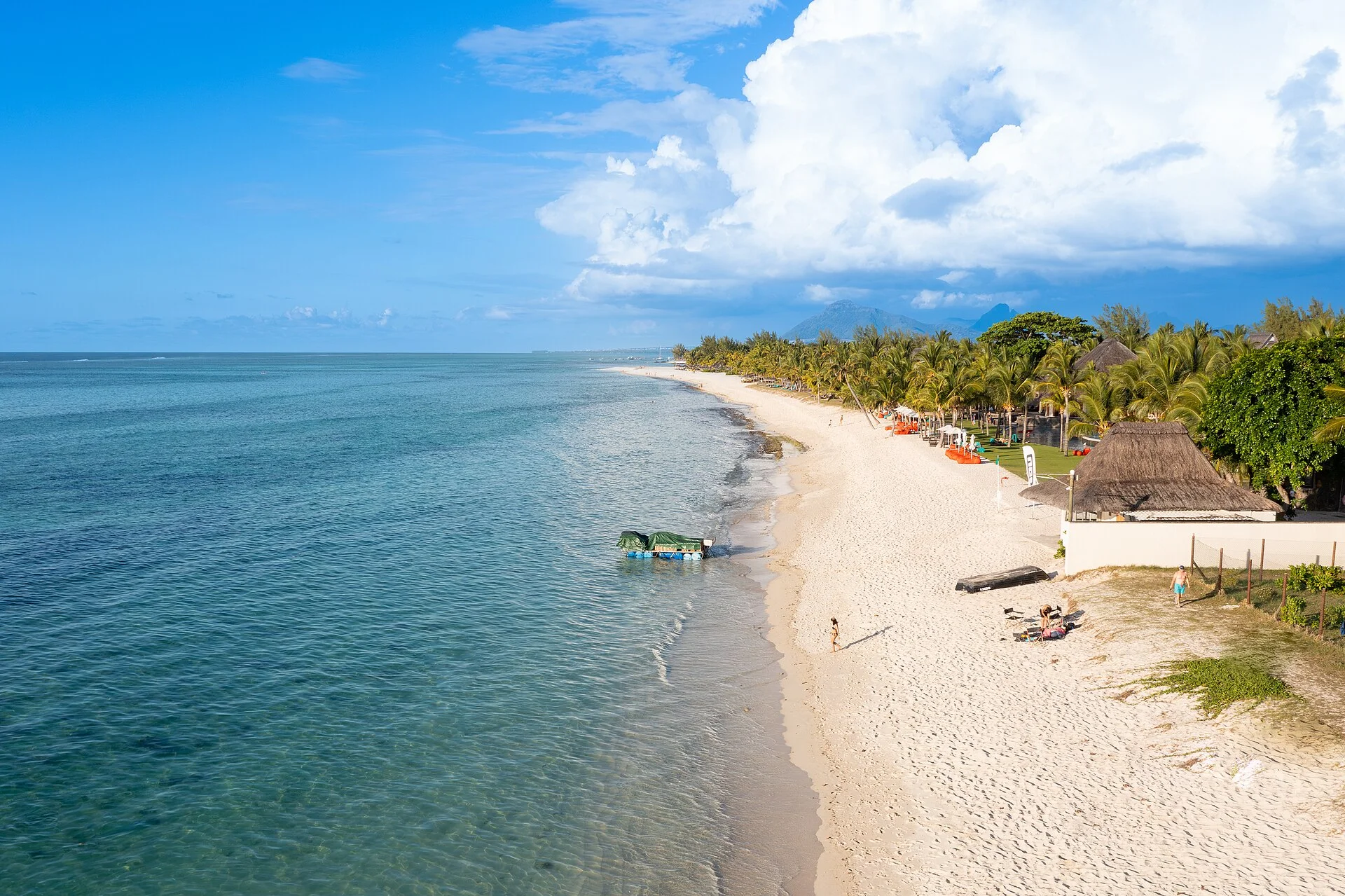
Le Morne
The lagoon and a mountain backdrop, with room to stay for sunset.
Southwest coastUseful Mauritian Creole for your trip
Learn everyday Mauritian Creole greetings and useful phrases for food, shopping and directions, with notes on polite forms of address.
Trip planning