Culture and heritage in Mauritius.
Plan meaningful cultural visits in Mauritius, from Port Louis and Le Morne to music, places of worship and everyday etiquette.
- Explore
- History and daily life
- Start with
- One area at a time
- Confirm
- Visitor access and opening times
In this guide
Mauritian culture is part of the places you visit and the people you meet. Give a heritage site time, listen to the story behind a song and let a meal become a conversation. A thoughtful cultural day begins with one clear interest and leaves room to understand it.
Begin with the people
The island brings together many family histories and traditions. Nationality, ancestry and religion are different aspects of identity. Our guide to Mauritian people explains that background; this page helps you choose how to explore it during your stay.
Think about what you want to learn before choosing a route. The history of labour and migration points towards Aapravasi Ghat. The memory of slavery and resistance gives Le Morne its wider meaning. Food and the working streets of Port Louis offer another perspective on everyday life.
Port Louis and the Central Market
Port Louis Central Market is a place of everyday trade, with produce, food and other goods. Chinatown and Caudan Waterfront are nearby areas to consider when shaping a walk. Let your interests decide whether food, architecture or history takes the larger part of your visit.
Keep the route manageable and allow for heat, pauses and the journey back to your accommodation. A local guided walk can help connect the places, while an independent visit gives you room to explore at your own pace. Ask before photographing people or their stalls.
Aapravasi Ghat
Aapravasi Ghat is a UNESCO World Heritage site in Port Louis associated with the arrival of indentured labourers. It helps explain a major chapter in the history of Mauritius and the movement of people across the Indian Ocean.
Give the interpretation time in your visit rather than treating the site as a quick waterfront stop. Confirm visitor arrangements before travelling. If you combine it with the market, leave space between the two so a busy food walk does not crowd out the historical visit.
Le Morne Cultural Landscape
Le Morne is recognised by UNESCO for its associations with maroon communities who escaped enslavement and found refuge around the mountain. Its meaning includes resistance, suffering and the struggle for freedom, beyond the familiar lagoon view.
Read about that history before visiting the southwest. You can give the landscape your attention without making a summit hike the objective. If you also want to hike, plan the route and guidance separately from the cultural visit.
Cap Malheureux
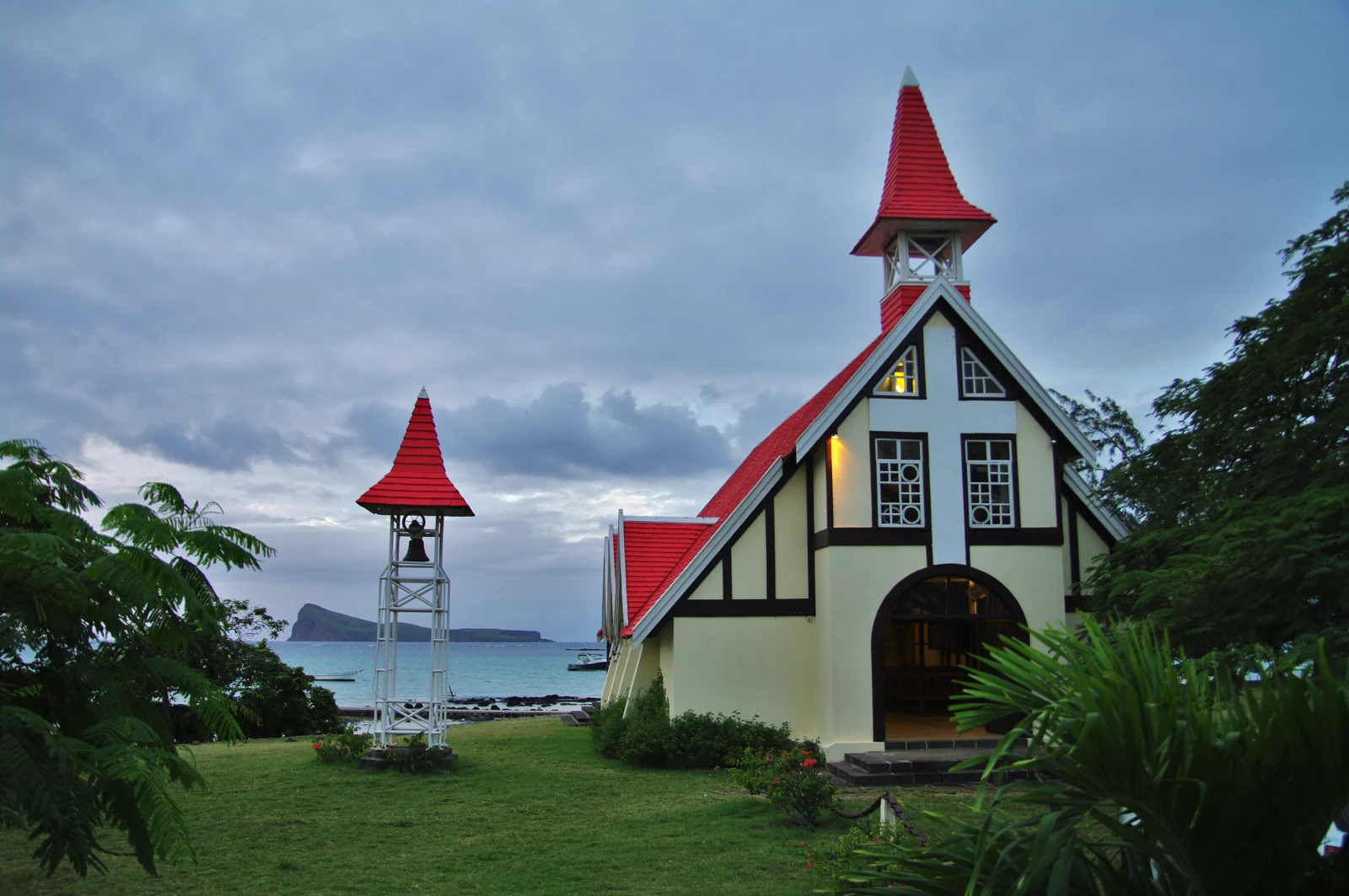
Notre Dame Auxiliatrice, the red-roofed church at Cap Malheureux, is one of the north’s recognisable coastal landmarks. It can fit into a northern outing without requiring a full day of sightseeing.
Treat the church as a place of worship. Confirm visitor access, respect services and follow any dress or photography guidance. Leave time to enjoy the coast, then continue to one nearby place rather than trying to cover every northern landmark.
Listen to living traditions
Traditional Mauritian Sega combines singing in Creole with dance and instruments including the ravann, maravann and triangle. Its heritage belongs to the people who perform and transmit it, as well as to the stage on which a visitor might encounter it.
Geet Gawai combines songs, music, dance, prayer and ritual in a pre-wedding tradition associated with Bhojpuri-speaking communities. It has its own context. A private ceremony is not an attraction to attend without an invitation; choose a confirmed public presentation when one is available.
Visit with attention to the setting
At a place of worship, follow the guidance at the entrance and ask before entering areas used for prayer. Dress and photography requirements belong to that venue. Do not assume that a rule from one temple, mosque or church applies to every other site.
In a market, keep working space clear and ask before photographing a stallholder. At a performance, follow the organiser’s recording guidance. An invitation to watch does not automatically include permission to photograph, record or share a person’s image.
Build a day with a clear focus
For a city day, start with Port Louis and decide how much history and food you want to include. For a northern coast day, keep Cap Malheureux alongside a beach or a meal. For the southwest, give Le Morne its own space.
Keep dates and opening arrangements in view. Places of worship and heritage sites have different visiting needs, and a public photograph is not evidence that an interior is open. Choose fewer stops when that gives you time to understand what you are seeing.
Your planning checklist
- Visitor access and opening arrangements
- Time to read or join interpretation
- Dress and photography guidance
- A manageable route and breaks
Explore with Andeor
Continue to Andeor for the experience details, dates and booking arrangements.
A few useful answers
Can I experience Le Morne without hiking?
Yes. The cultural meaning of the landscape is not dependent on reaching the summit. Read about its history and plan a southwest visit that suits your group; treat any mountain route as a separate activity.
Which cultural visit fits a north-coast day?
Cap Malheureux can fit alongside a northern beach or meal. A more detailed Port Louis history and market visit deserves its own time.
Can I plan a visit around a festival?
Use the public-holidays guide to identify dates, then check the actual event and visitor arrangements. A holiday date does not establish that a particular ceremony is open to the public.
Sources and guide notes
Sources consulted on 9 October 2026. Practical arrangements can change. Itinerary suggestions are our editorial planning ideas.
Keep exploring.
All guides
Who are Mauritians?
Understand Mauritian identity through migration, shared language and living culture, with heritage places to include in your visit.
Trip planningMauritian food to try
Get to know Mauritian street food and meals, choose a Port Louis food day and plan around dietary needs without relying on restaurant rankings.
Trip planningMauritius public holidays in 2026 and 2027
Check Mauritius public holidays, long weekends and the separate school calendar, with official sources and moon-dependent dates clearly identified.
Trip planningPort Louis
Market streets, food and heritage in the island’s capital.
Northwest coastUseful Mauritian Creole for your trip
Learn everyday Mauritian Creole greetings and useful phrases for food, shopping and directions, with notes on polite forms of address.
Trip planning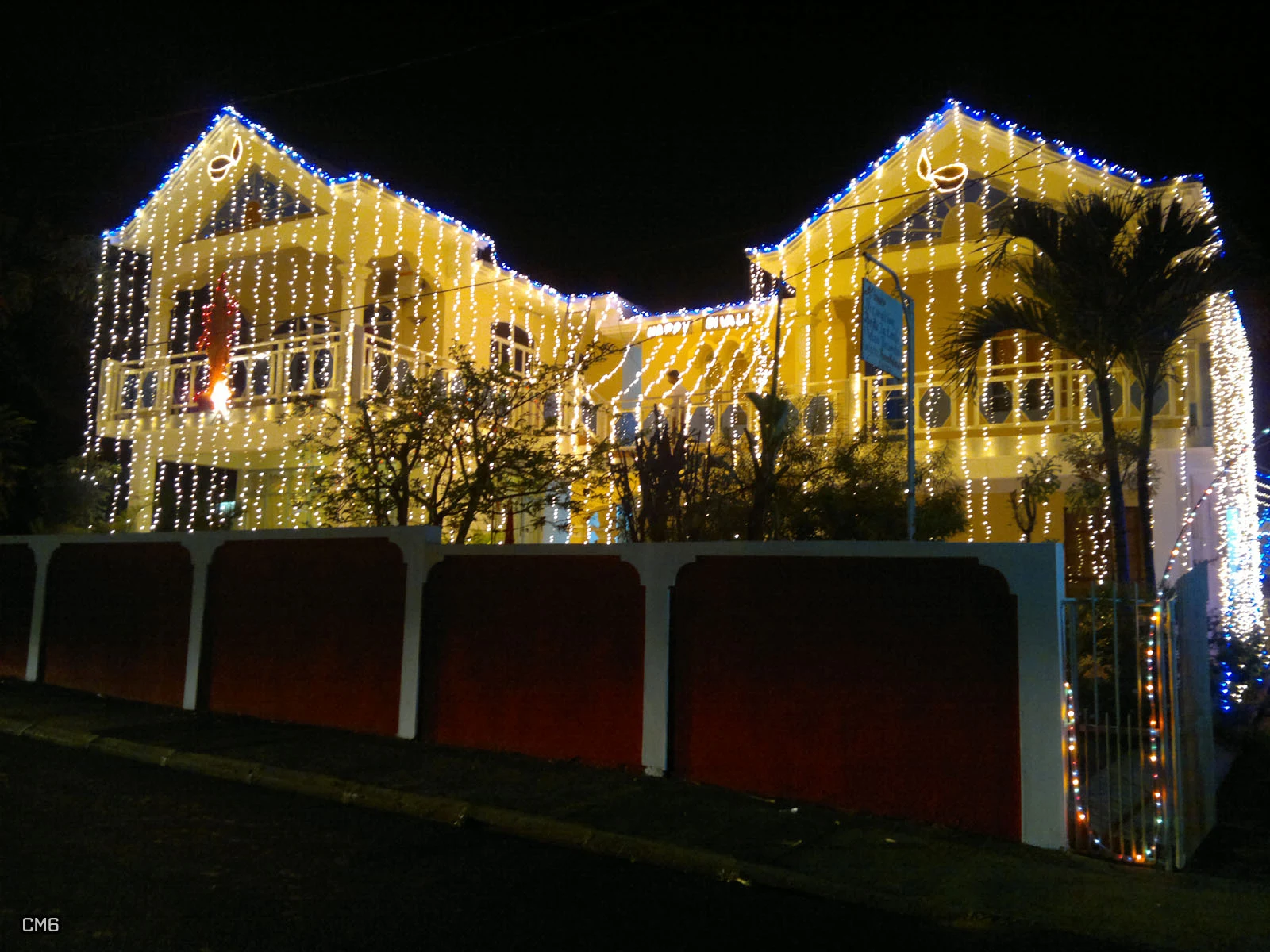
Divali in Mauritius in 2026
Plan for Divali on 8 November 2026 in Mauritius, with lights, sweets, visitor etiquette and the following-day public holiday explained.
Trip planning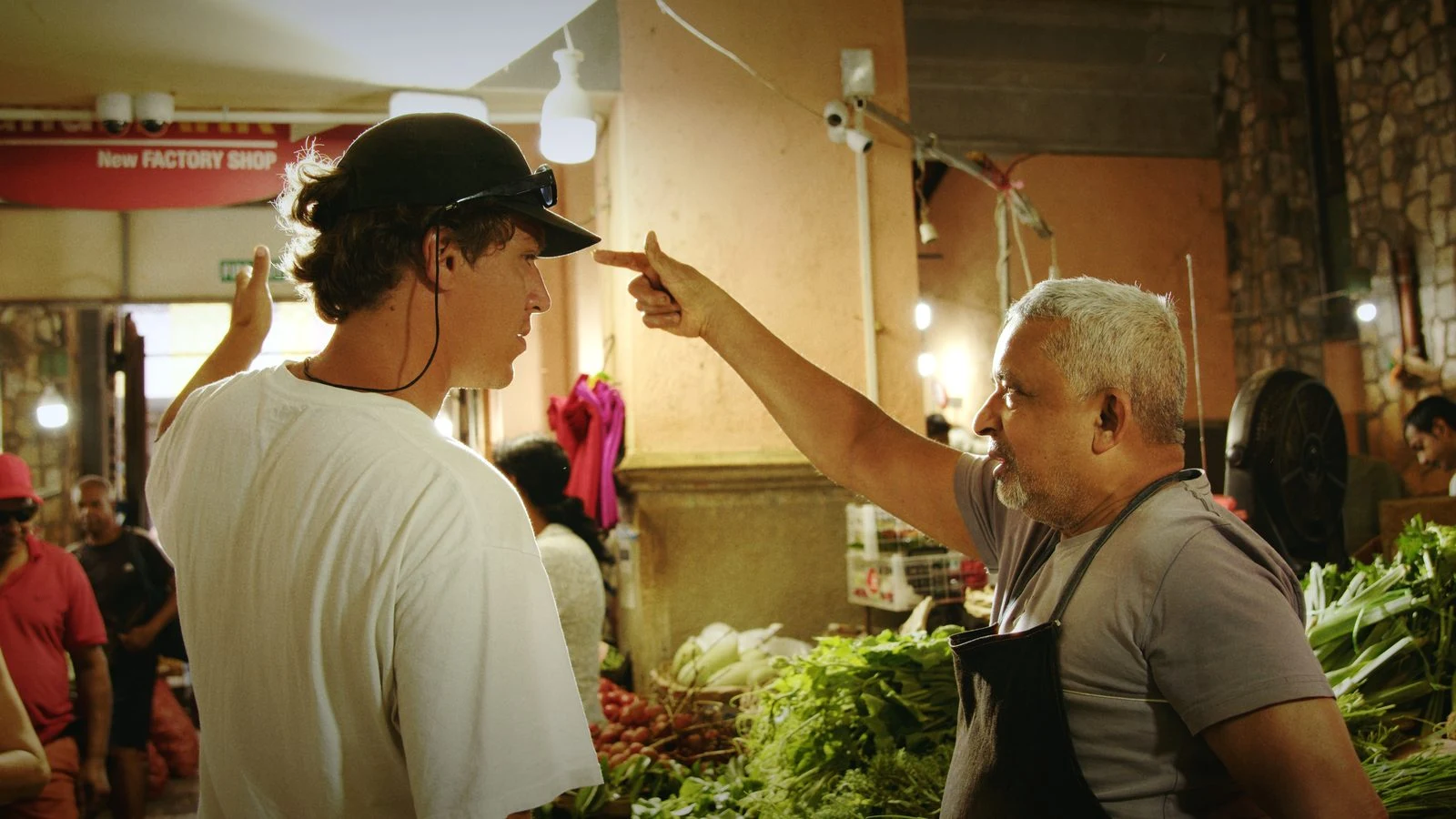
Port Louis in a day at your own pace
Plan a self-guided Port Louis day through Aapravasi Ghat, the Central Market, Chinatown and Caudan, with verified visitor hours and a guided option.
Trip planning