Mauritian food to try.
Get to know Mauritian street food and meals, choose a Port Louis food day and plan around dietary needs without relying on restaurant rankings.
- Start in
- Port Louis Central Market
- Make room for
- Small tastes and a proper meal
- Ask about
- Ingredients and preparation
In this guide
Start with a few things you are curious to taste. Dholl puri, dumplings, a rice dish and something sweet can introduce very different parts of Mauritian cooking. You do not need to find a supposedly definitive restaurant to begin. Look for a meal that fits your day, and leave time to understand what is on your plate.
A few dishes to start with
Dholl puri is a thin flatbread filled with ground split peas and served with accompaniments such as curry, chutney and pickles. Gateaux piments are split-pea fritters with chilli and herbs. Try a small portion of each and ask how the seller recommends eating them.
Boulettes are dumplings with different fillings, often served in broth. Check the filling and the broth separately. For something sweet, a napolitaine brings together shortbread, jam and icing. These are starting points for tasting, not a menu every stall will carry.
Rice, noodles and rougaille
Briani, also written biryani, is a spiced rice dish with versions that differ between cooks. Rougaille is a tomato-based preparation that can accompany different main ingredients. Mine frit and riz frit are fried noodles and fried rice. The name introduces a dish; the menu or cook tells you which version is being served.
Choose one substantial meal rather than trying to make every dish into a tasting stop. If you are sharing, agree the number of portions before ordering. Keep room for a pause in the shade and your journey back, especially if food is part of a longer city visit.
Make time for Port Louis
The Central Market brings produce, street food and everyday shopping together in the capital. The surrounding area connects with Chinatown and Caudan Waterfront, making it possible to shape a compact city visit around food and a little exploring.
Begin by browsing before buying your first meal. Share portions if that suits your group, keep space for a seated break and decide which part of the city interests you most. If you want a particular stall or dish, check its opening arrangements close to your visit.
Go beyond snacks
Look for a meal as well as a tasting stop. Mauritian food includes biryani, rice and noodle dishes, rougaille and many other preparations reflecting the island’s different communities. Ask what is being cooked that day rather than expecting one fixed version of a dish everywhere.
If you are staying in the north, Grand Baie offers another setting for a meal out. Choose the restaurant around what you want to eat and your return journey. A relaxed dinner near your base can be a better fit than another long excursion.
Make your requirements clear
Explain dietary needs before ordering and ask about the complete preparation. A familiar dish name does not confirm the ingredients of a sauce, stock or filling. For allergies, discuss shared cooking equipment and cross-contact directly with the establishment.
Ask for chilli separately if you are uncertain about the heat. Confirm the price and portion before ordering, particularly when assembling several tastes. Carry a way to pay that works for the places you plan to visit.
Choose the kind of food day you want
For a first introduction, combine browsing at the Central Market with a few small purchases and a seated meal. For a closer look at a particular cuisine, choose the meal first and build the rest of the day around its location. For a relaxed evening, stay near your accommodation and spend the time at the table rather than on the road.
A market is a working place, so keep the visit flexible. A planned dish may not be available at the moment you arrive. Ask what has been prepared that day and be willing to change the order in which you eat. That flexibility should not replace clear answers about ingredients you need to avoid.
Build a food budget from real choices
Start with the menu or price board in front of you. Confirm whether a quoted price is for one piece, a pair, a portion or a full meal, and add drinks and any clearly stated charges. A street-food purchase and a seated restaurant meal are different decisions, so compare like with like.
Keep a few receipts from the beginning of your stay if you want to refine the rest of your food budget. Our travel-cost guide helps organise those choices. Use the meals you actually choose to shape the rest of the week, and check a menu again before making a special journey.
Explore independently or take a food walk
An independent visit lets you choose your own stops and stay longer where you wish. A guided walk can help you understand the dishes and the streets between them. Compare the actual route, walking demands, tastings and breaks rather than choosing on the number of stops alone.
Tell the organiser about dietary requirements before reserving and ask which substitutions are possible. Leave the next meal flexible if the outing includes several tastings. Keep a little room in your day for a place you discover along the way.
Your planning checklist
- The dishes you want to try
- Ingredients, fillings and sauces
- Tastings included in a guided walk
- Walking distance and breaks
- Transport and payment arrangements
Explore with Andeor
Continue to Andeor for the experience details, dates and booking arrangements.
A few useful answers
Where can I start a Mauritius food day?
Port Louis Central Market is a useful starting point for street food and produce. You can build a visit around the market, Chinatown and the waterfront according to your interests.
Can I assume a dish is vegetarian from its name?
Ask the person preparing it. Fillings, broths, sauces and cooking methods vary, including for dishes that may look familiar.
Can the guide guarantee that a dish is vegan or free from an allergen?
No. Recipes, stocks, sauces and preparation methods vary. Discuss your requirements with the establishment before ordering, including shared equipment where relevant.
Sources and guide notes
Sources consulted on 4 October 2026. Practical arrangements can change. Itinerary suggestions are our editorial planning ideas.
Keep exploring.
All guides
Culture and heritage in Mauritius
Plan meaningful cultural visits in Mauritius, from Port Louis and Le Morne to music, places of worship and everyday etiquette.
Trip planningWho are Mauritians?
Understand Mauritian identity through migration, shared language and living culture, with heritage places to include in your visit.
Trip planningPort Louis
Market streets, food and heritage in the island’s capital.
Northwest coast
Planning your Mauritius travel budget
Build a Mauritius budget with dated tourist-fee and SIM examples, then compare accommodation, food, transport and activities without double counting.
Trip planning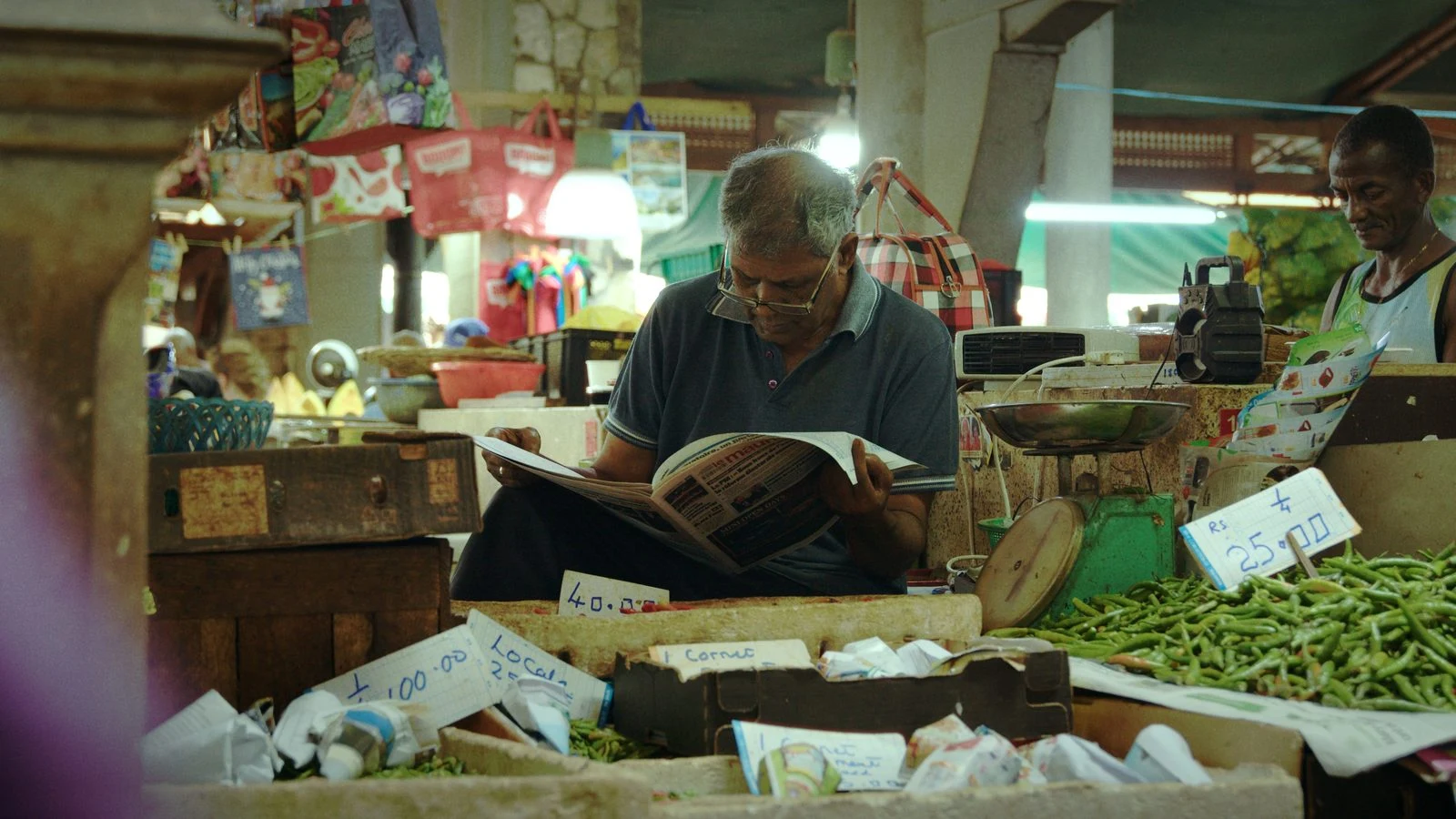
Local markets in Mauritius and when to visit
Choose a Mauritius market for food or crafts, with council-published Flacq fair days, Caudan hours and practical advice for a market morning.
Trip planning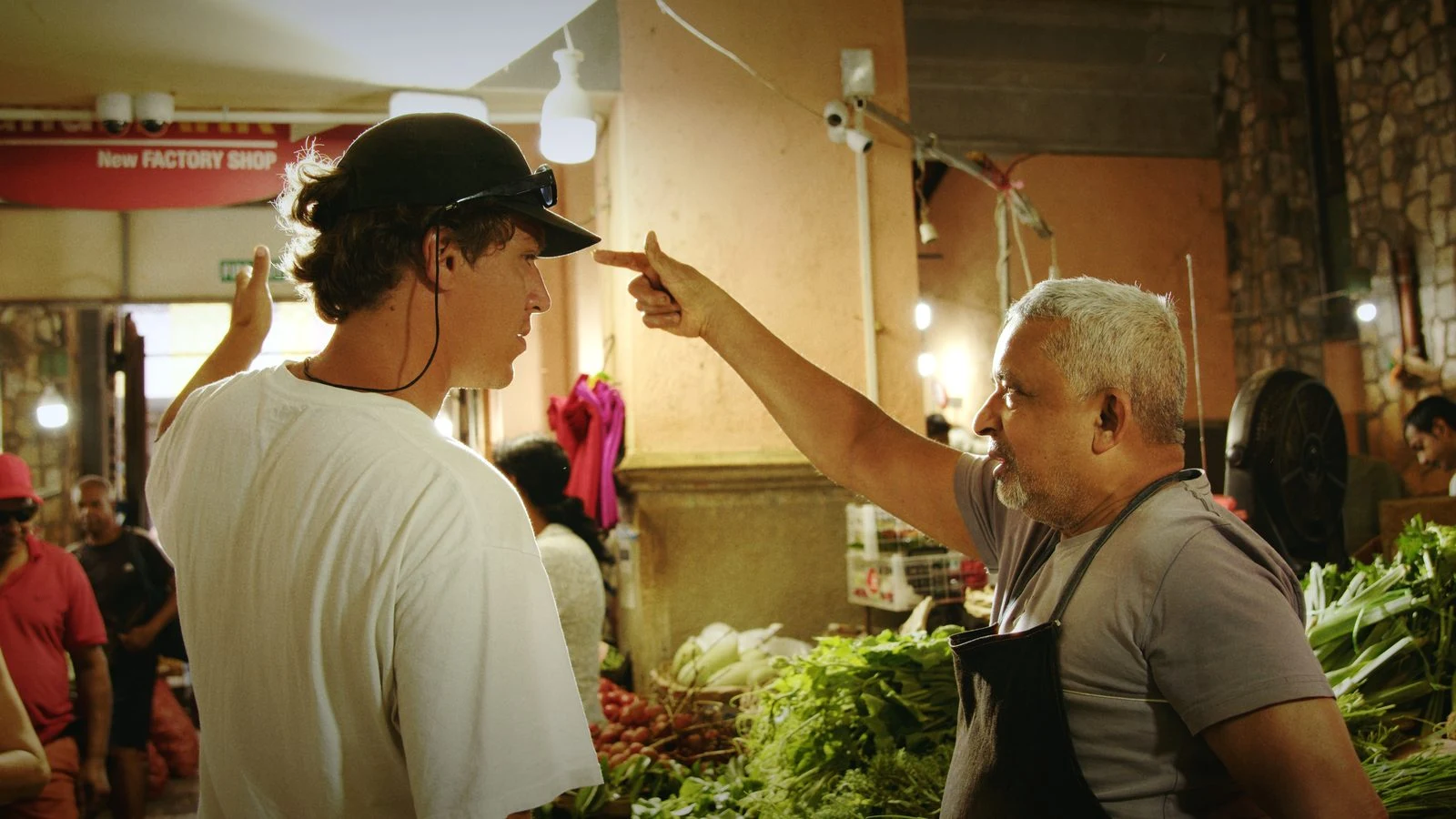
Port Louis in a day at your own pace
Plan a self-guided Port Louis day through Aapravasi Ghat, the Central Market, Chinatown and Caudan, with verified visitor hours and a guided option.
Trip planning