Listening to sega in Mauritius beyond a holiday performance
Understand sega tipik, its instruments and cultural setting, with respectful ways to enjoy Mauritian music during your visit.
Sega is part of living Mauritian culture, not simply background music for a beach holiday. Learning a little about the traditional form makes a performance more meaningful and helps distinguish cultural heritage from the many contemporary styles heard on the island.
Start with sega tipik
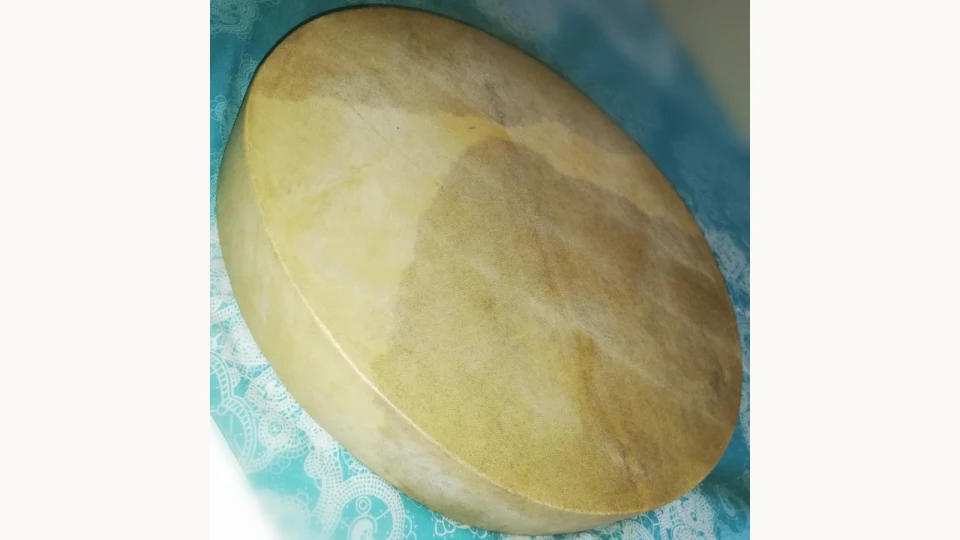
UNESCO describes traditional Mauritian sega as a performing art rooted in the Creole community, with music, song and dance in family and public settings. The ravanne, maravanne and triangle are characteristic instruments. Songs and performance carry social memory as well as celebration. The specialist sega guide offers a deeper route into the music and its context.
Do not turn a tradition into one fixed show
A hotel performance, a contemporary recording and a community gathering may serve different purposes. The fact that a tradition appears on a heritage list does not mean every advertised evening is an official heritage event. Read the actual programme and artist information. Avoid assuming that an informal gathering welcomes a tourist audience.
Listen, participate and photograph thoughtfully
Follow the performers' invitation about joining in. Ask before filming people closely, especially in private or community settings, and respect a refusal. If music is part of a paid boat day, check that the selected offer actually lists it; a generic photo is not a promise of live musicians. For city context, continue with Port Louis's cultural guide rather than trying to fit every aspect of Mauritian culture into one evening.
Is all Mauritian music sega tipik?
No. Traditional sega is one distinct heritage form within a broader musical life. Use the performers' own description of what they play.
